project
Haulmark Adelaide
| Client | Sitzler |
| Location | Adelaide |
| Completion Year | 2025 |
| Sector | Industrial |
| Project Manager |

Dave Bennett
Director & Senior Architect
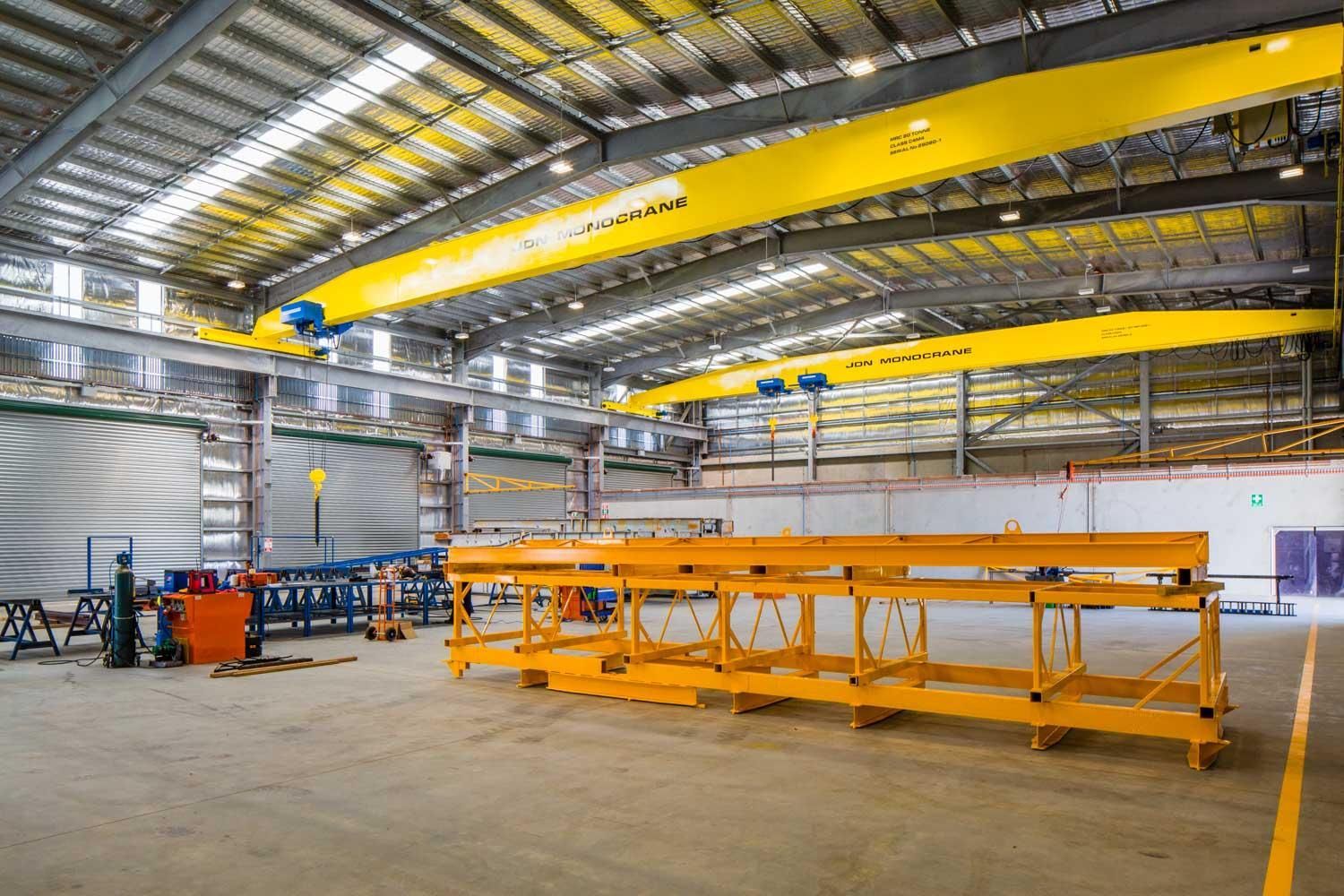
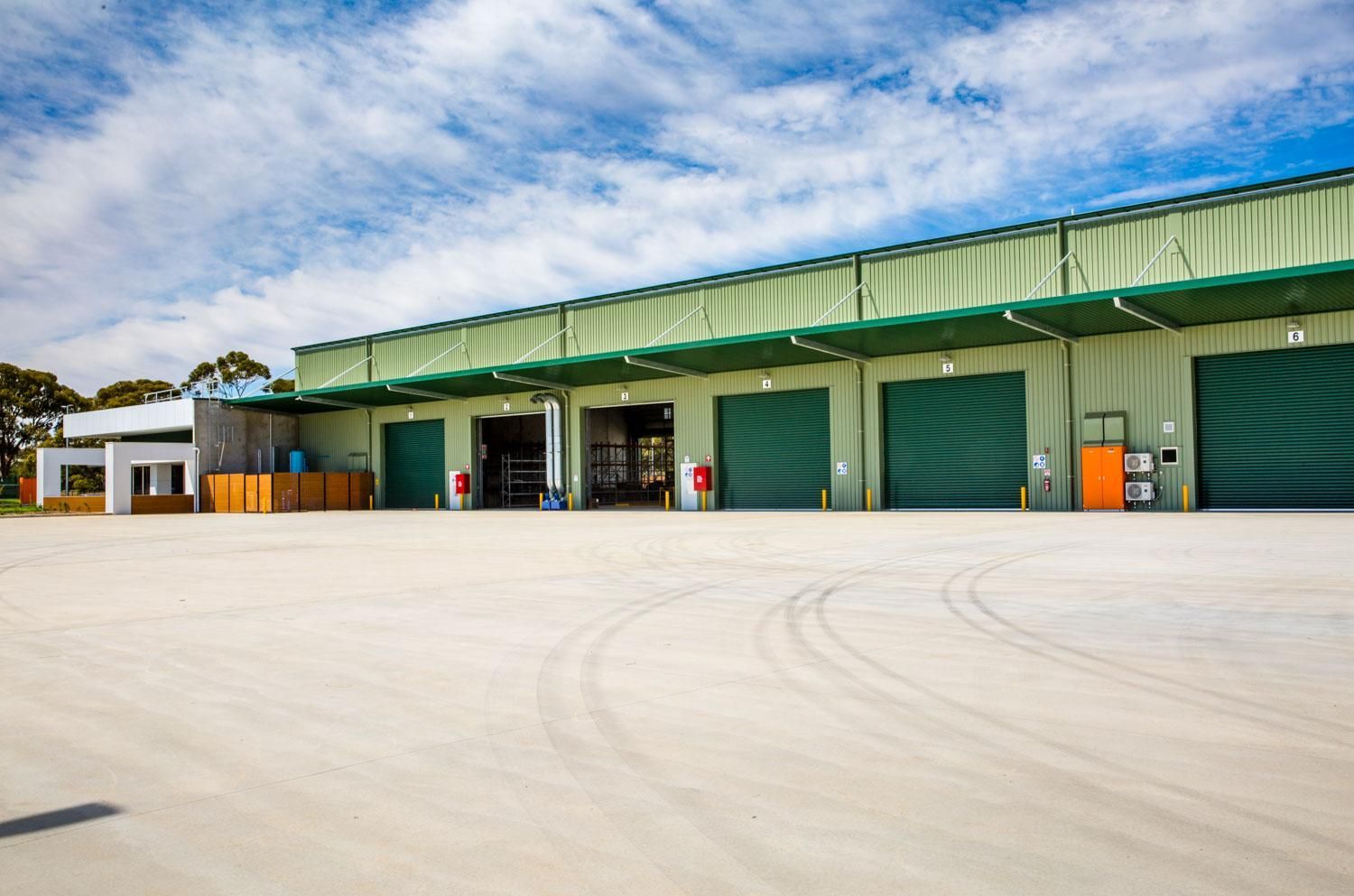
Haulmark’s Adelaide facility is a clear example of how functional, well-considered industrial design can directly support and enhance business operations. From the outset, the architecture was driven by the practical needs of manufacturing, with a layout that enables efficient production flow, clear movement of heavy vehicles, and safe separation of staff and machinery. Generous workshop bays, aligned with cranage and loading zones, allow trailers to move seamlessly through fabrication, assembly, and dispatch, reducing downtime and improving productivity.
The facility also accommodates ongoing maintenance and servicing of vehicles, with dedicated areas designed for ease of access, durability, and operational efficiency. Integrated storage zones provide organised, scalable capacity for materials and finished goods, ensuring the site can respond to fluctuating demand without compromising workflow.
What sets the design apart is its inherent flexibility. The modular planning framework allows Haulmark to expand production lines, reconfigure spaces, or introduce new equipment with minimal disruption. This future-ready approach ensures the building evolves alongside the business. Combined with robust materials and low-maintenance solutions, the design not only performs effectively today but positions Haulmark for sustained growth, making it a resilient and high-performing industrial asset.
Key objectives
Optimise industrial workflow and safety: Deliver a highly efficient layout that supports production flow, separates pedestrian and heavy vehicle movements, and aligns with operational requirements
Enable future expansion and adaptability: Design a flexible facility framework that allows reconfiguration of production lines and seamless expansion as business needs evolve
Achieve cost efficiency per m² (capital and operational): Balance upfront construction costs with long-term operational savings through efficient planning, durable materials, and low-maintenance design
Enhance environmental performance: Integrate passive design strategies, natural lighting, ventilation, and water management systems to reduce energy consumption and improve workplace conditions
Deliver a consistent yet site-responsive national prototype: Establish a repeatable design model for Haulmark’s facilities across Australia while responding to local climate, logistics, and regulatory conditions
Project Story
The architectural design for Haulmark’s Adelaide trailer manufacturing plant reflects a highly coordinated and performance-driven approach, aligning industrial functionality with clarity of planning and long-term adaptability. Bennett Architecture structured the facility around efficient production flow, integrating process planning with architectural and engineering inputs to ensure safe, logical movement of materials, vehicles, and personnel. Clear separation between pedestrian and heavy-vehicle zones enhances safety, while workshop bays are precisely aligned with cranage systems and loading requirements to optimise operational efficiency.
The built form balances industrial robustness with environmental performance. High-bay spaces are designed to maximise natural light, reducing reliance on artificial lighting, while opportunities for cross-ventilation improve internal comfort in a cost-effective manner. The building envelope incorporates durable, low-maintenance materials suited to heavy industrial use, ensuring longevity and reduced lifecycle costs.
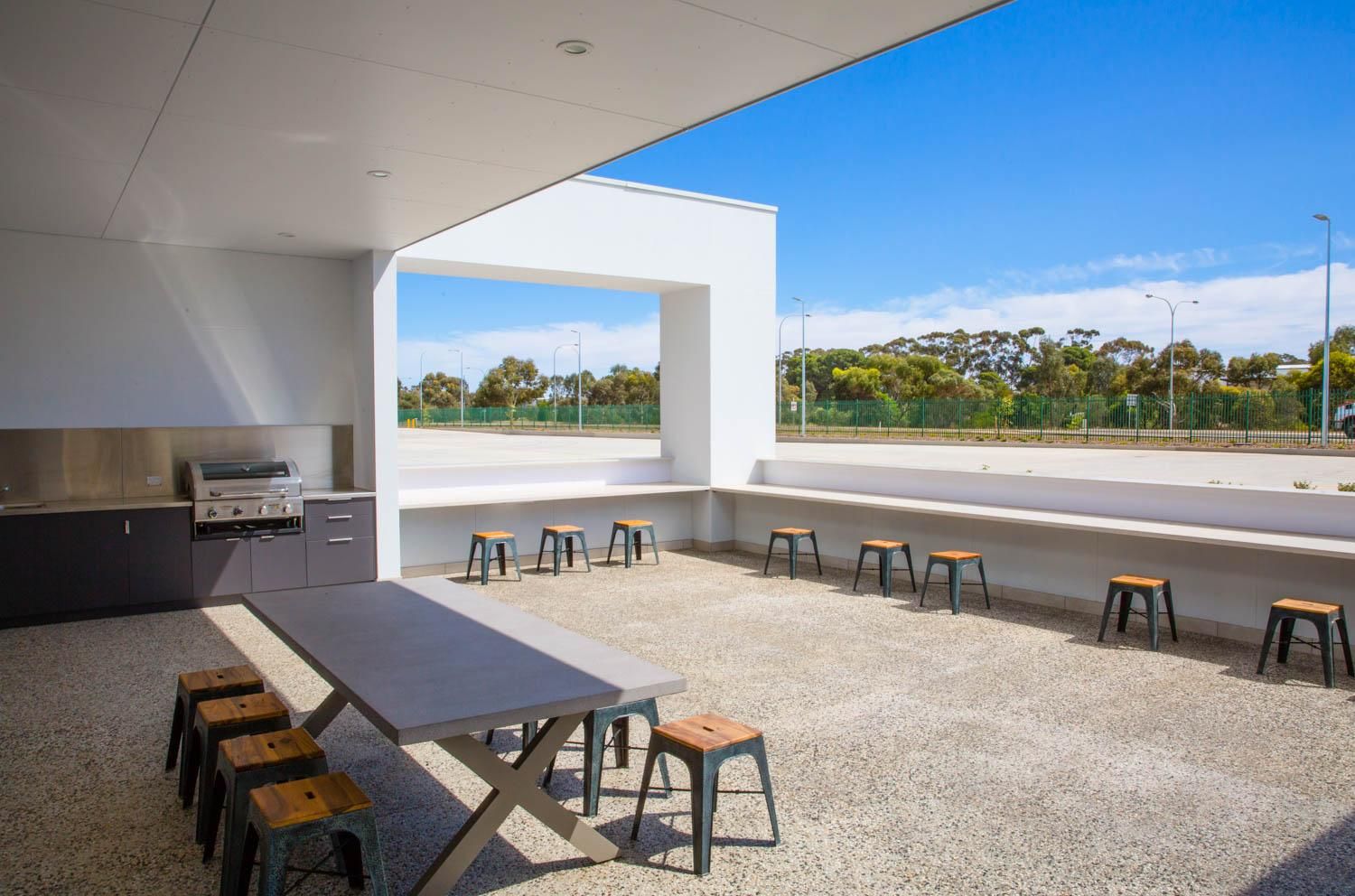
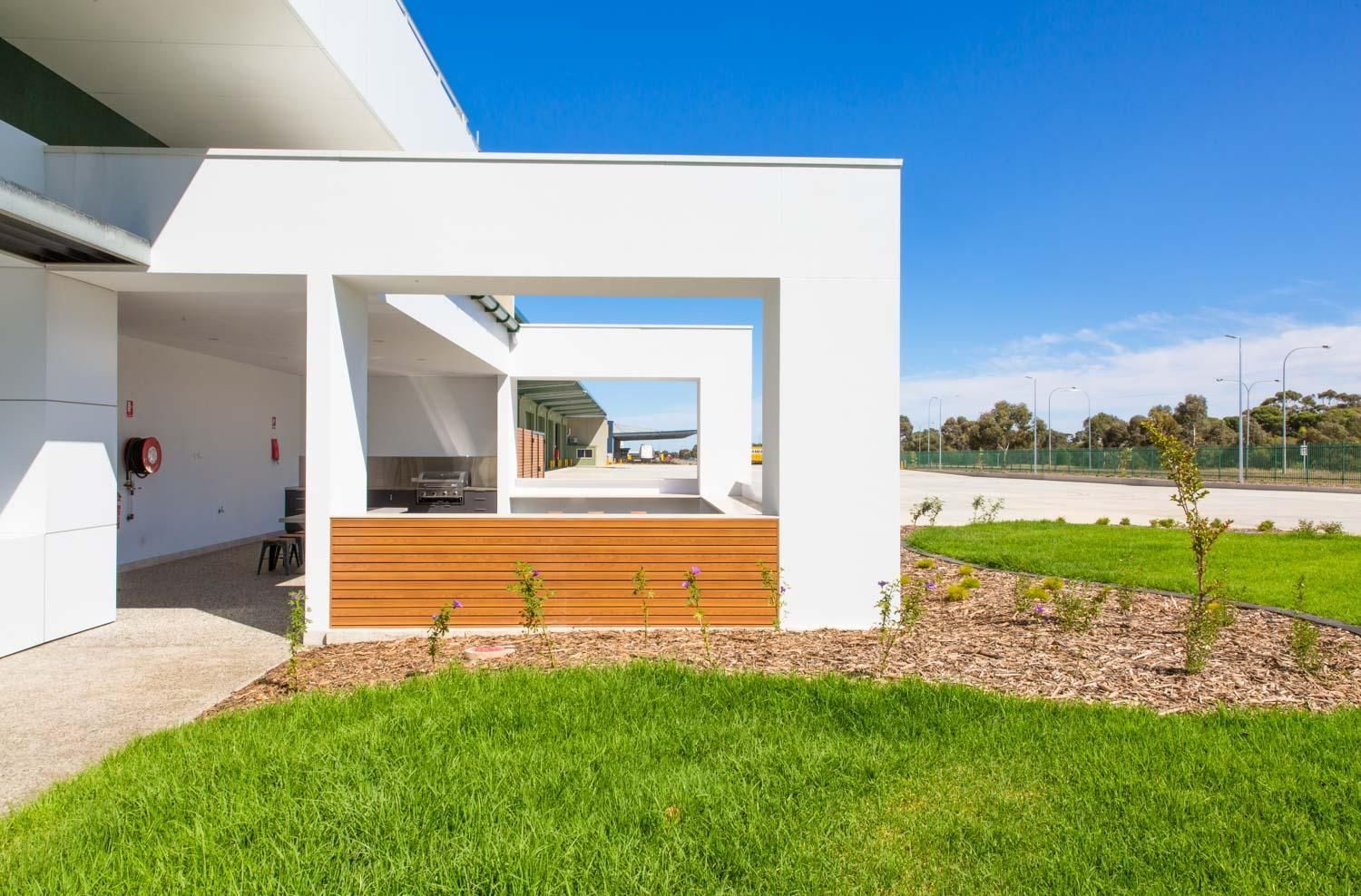
Support spaces, including offices and amenities, are carefully positioned to maintain visual connection to the factory floor while providing appropriate acoustic and thermal separation. Sustainability measures such as rainwater harvesting and smart metering contribute to resource efficiency and ongoing operational monitoring. Through detailed documentation and early authority engagement, the project achieved a streamlined delivery process, resulting in a flexible, future-ready facility that supports Haulmark’s expanding national operations.