

The most important lesson I have learned in tropical architecture is that construction detailing is just as important as design intent. In hot, humid climates, a building may appear well designed, but poor detailing can lead to condensation, mould, corrosion, and long-term durability issues.
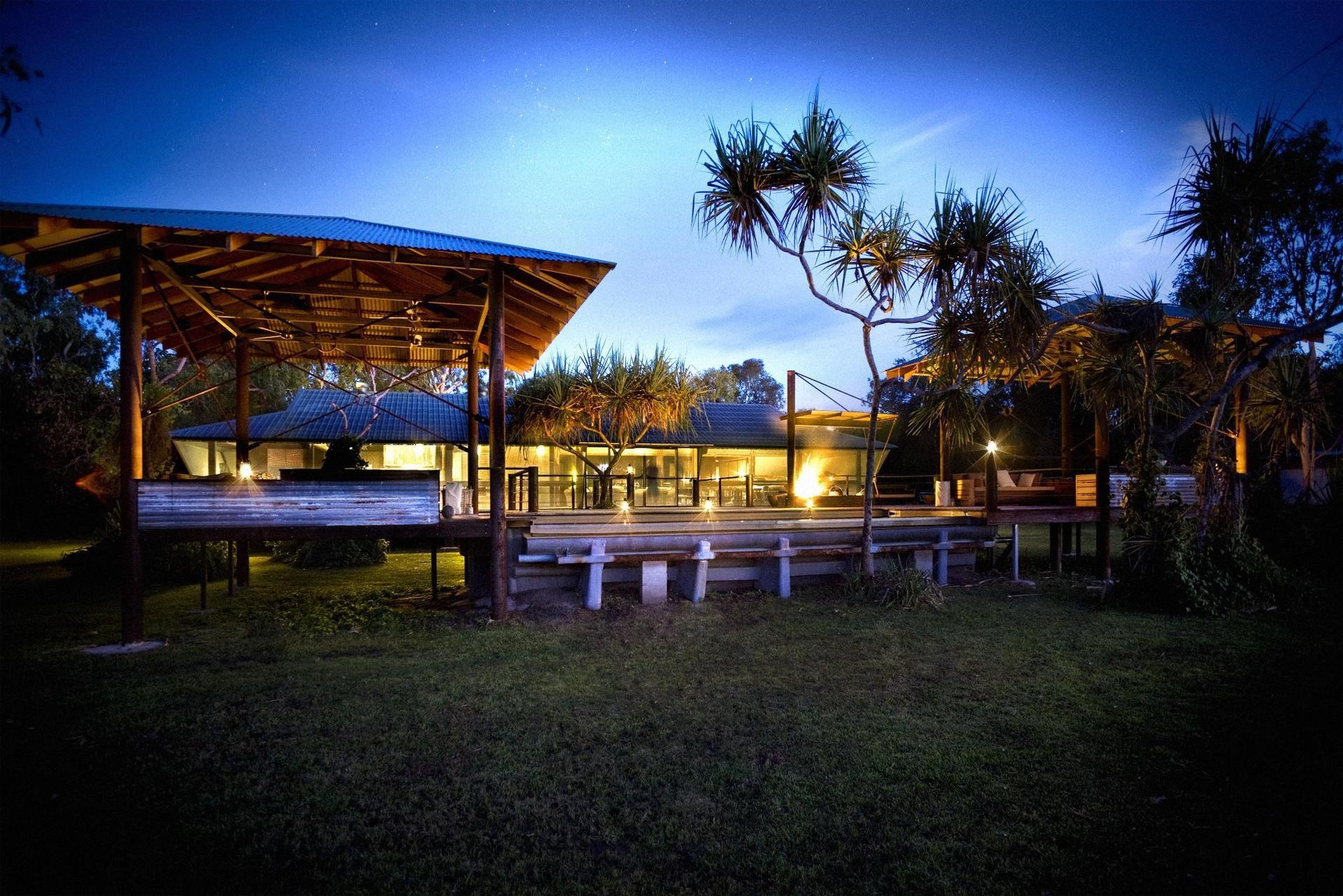
Architecture is always shaped by the place it sits in. In the Northern Territory, place matters a lot. For more than 35 years, Bennett Architecture has worked across Darwin, Alice Springs and many remote communities. We have learnt that good design in the Top End needs a different way of thinking.
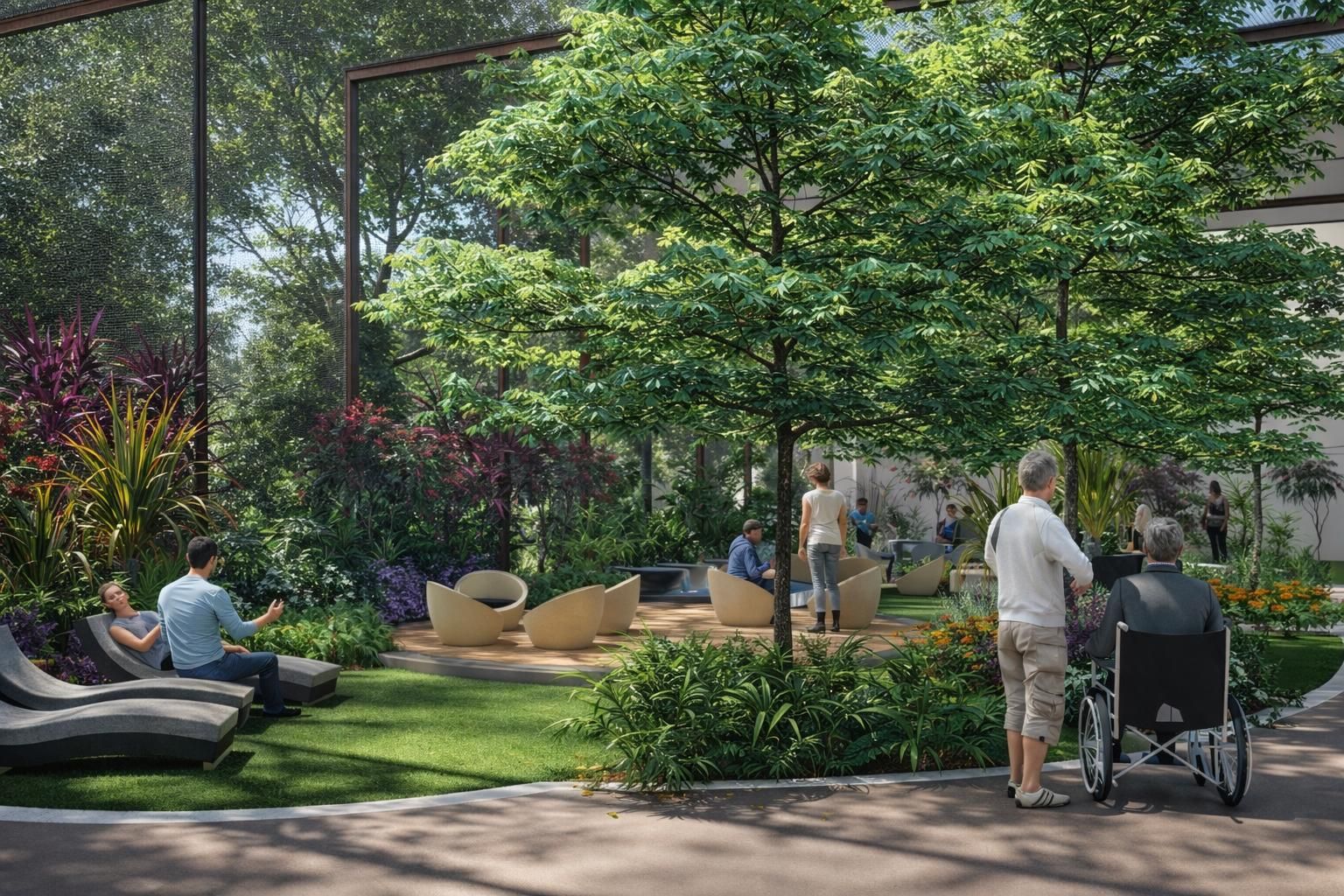
Neuro-inclusive spaces recognise that people experience the built environment in different ways. From an architectural design perspective, this means creating places that support sensory comfort, mental wellbeing, focus and choice, not as an “add-on”, but as a core part of good design.
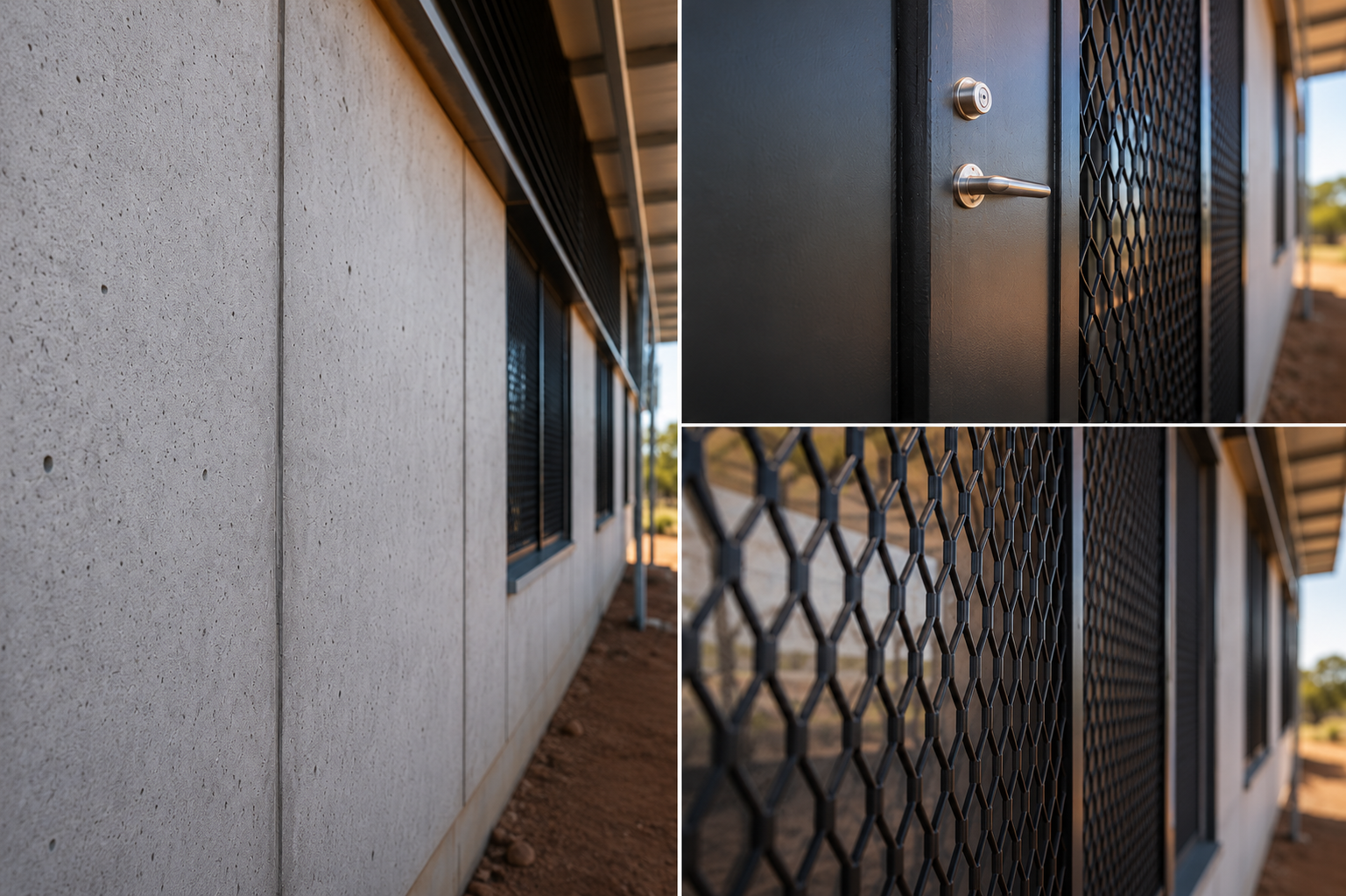
Learn why choosing the right materials is vital for remote buildings. Contact us to discuss your project needs.
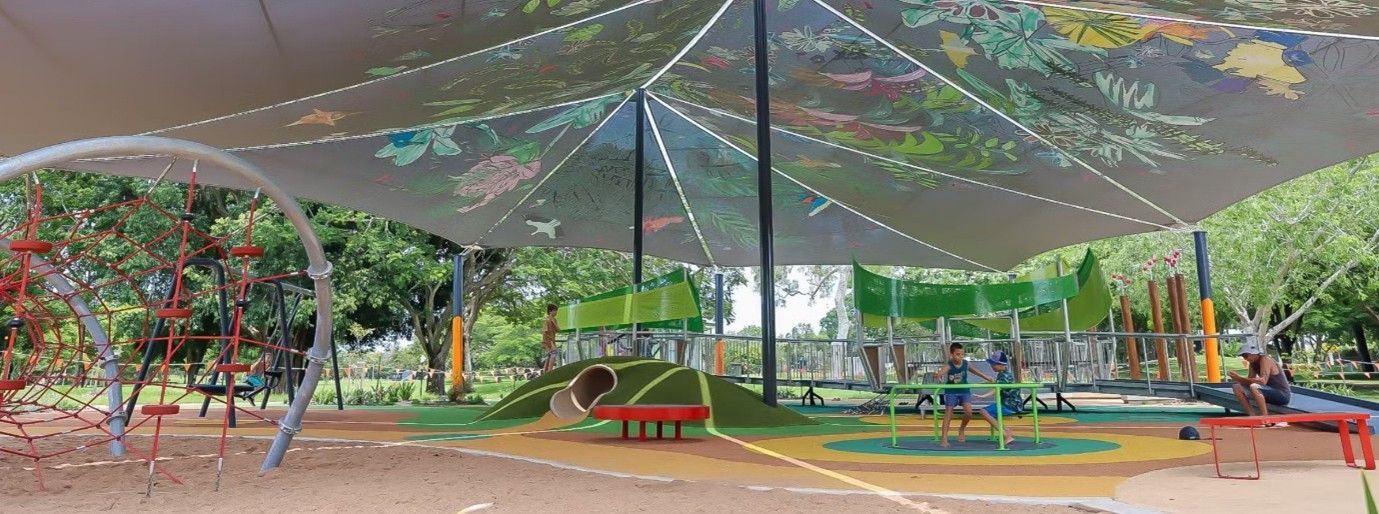
Explore how multi-generational parks enhance community connections & wellbeing. Contact Bennett Architecture for inclusive landscape design.
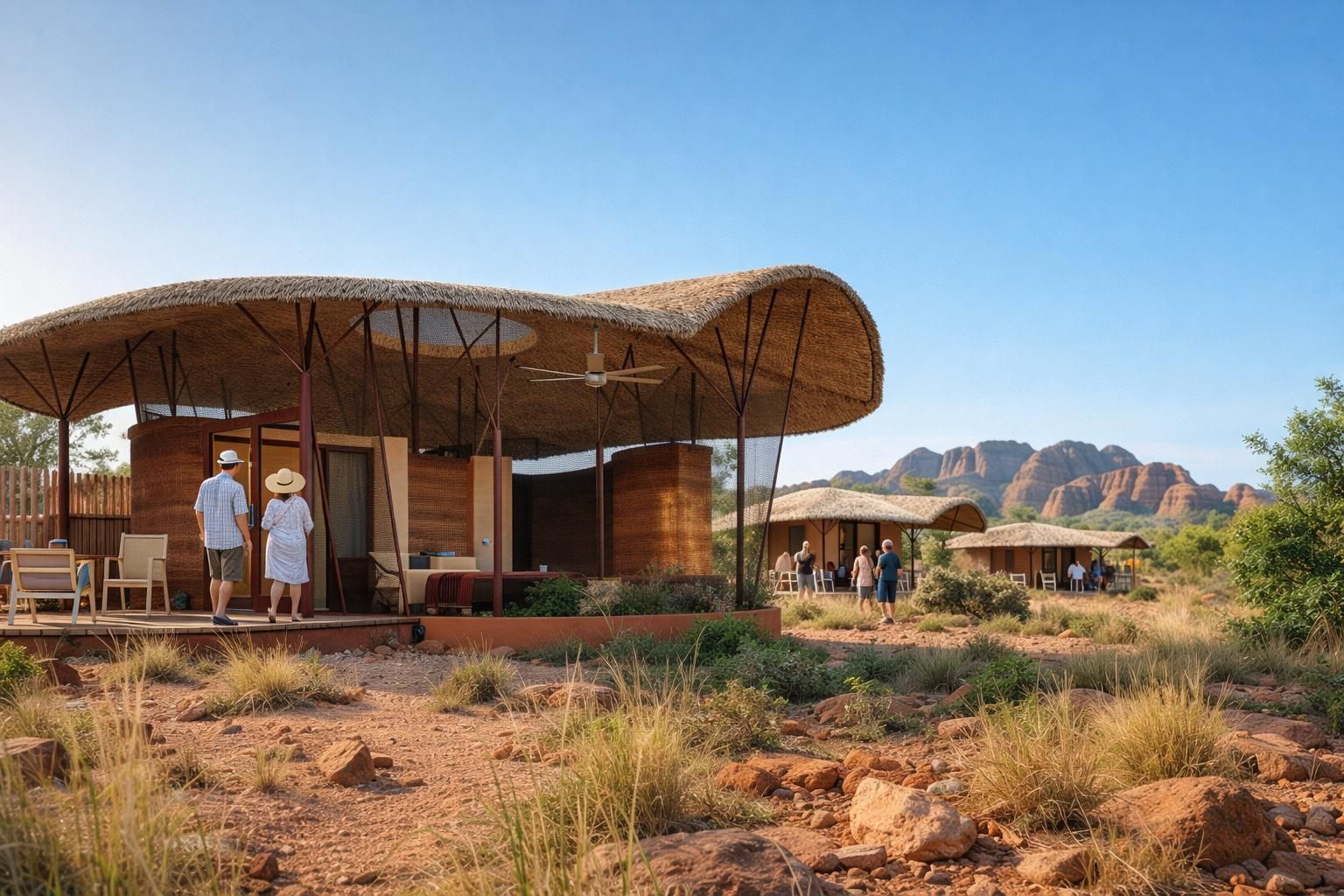
Bennett Architecture emphasizes sustainable practices in design. Contact us to learn how we enhance energy efficiency & reduce environmental impact.
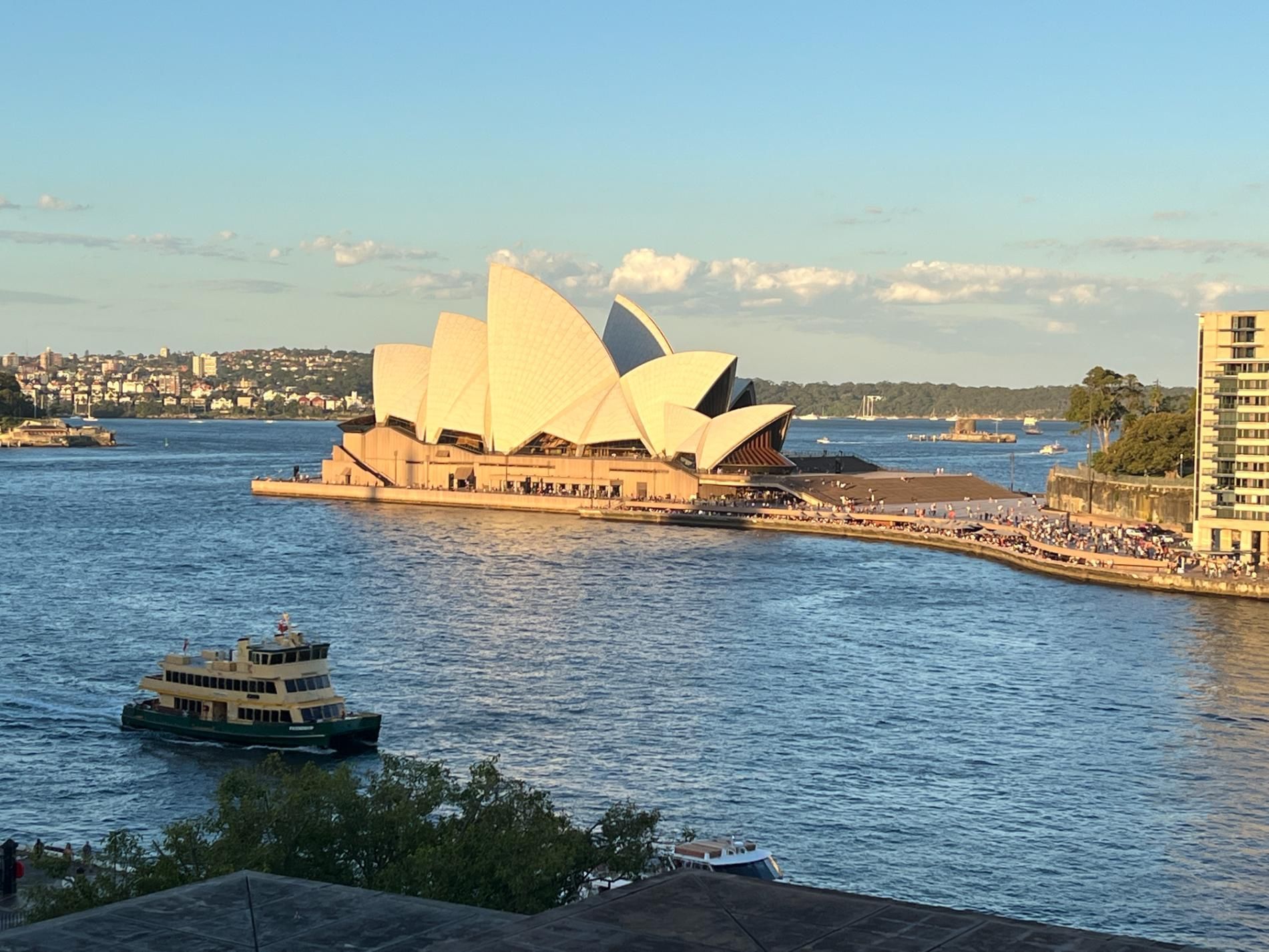
Bennett Architecture's team shares insights from their Sydney visit, focusing on sustainable design & innovation. Contact us for more information!