
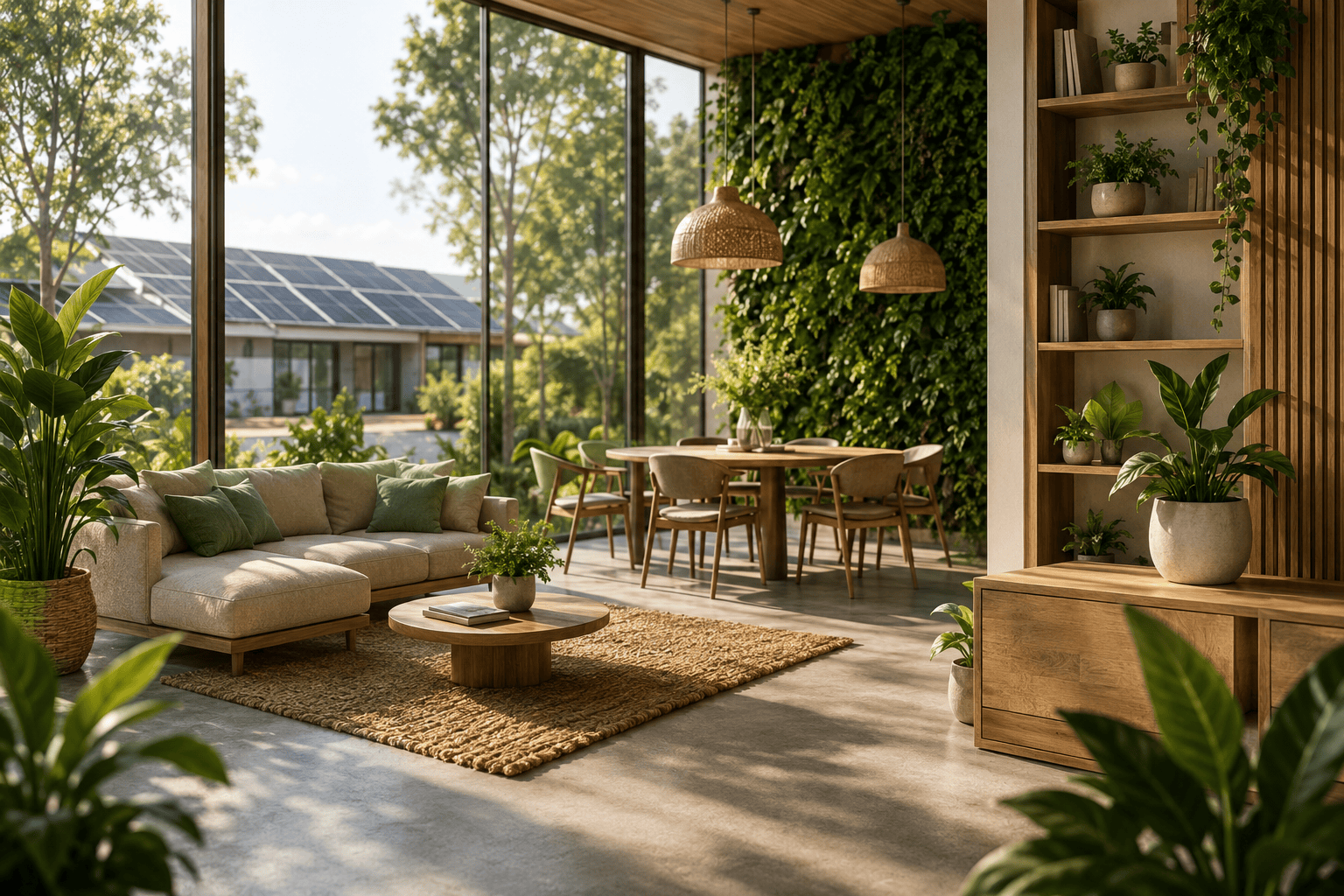

The most important lesson I have learned in tropical architecture is that construction detailing is just as important as design intent. In hot, humid climates, a building may appear well designed, but poor detailing can lead to condensation, mould, corrosion, and long-term durability issues.
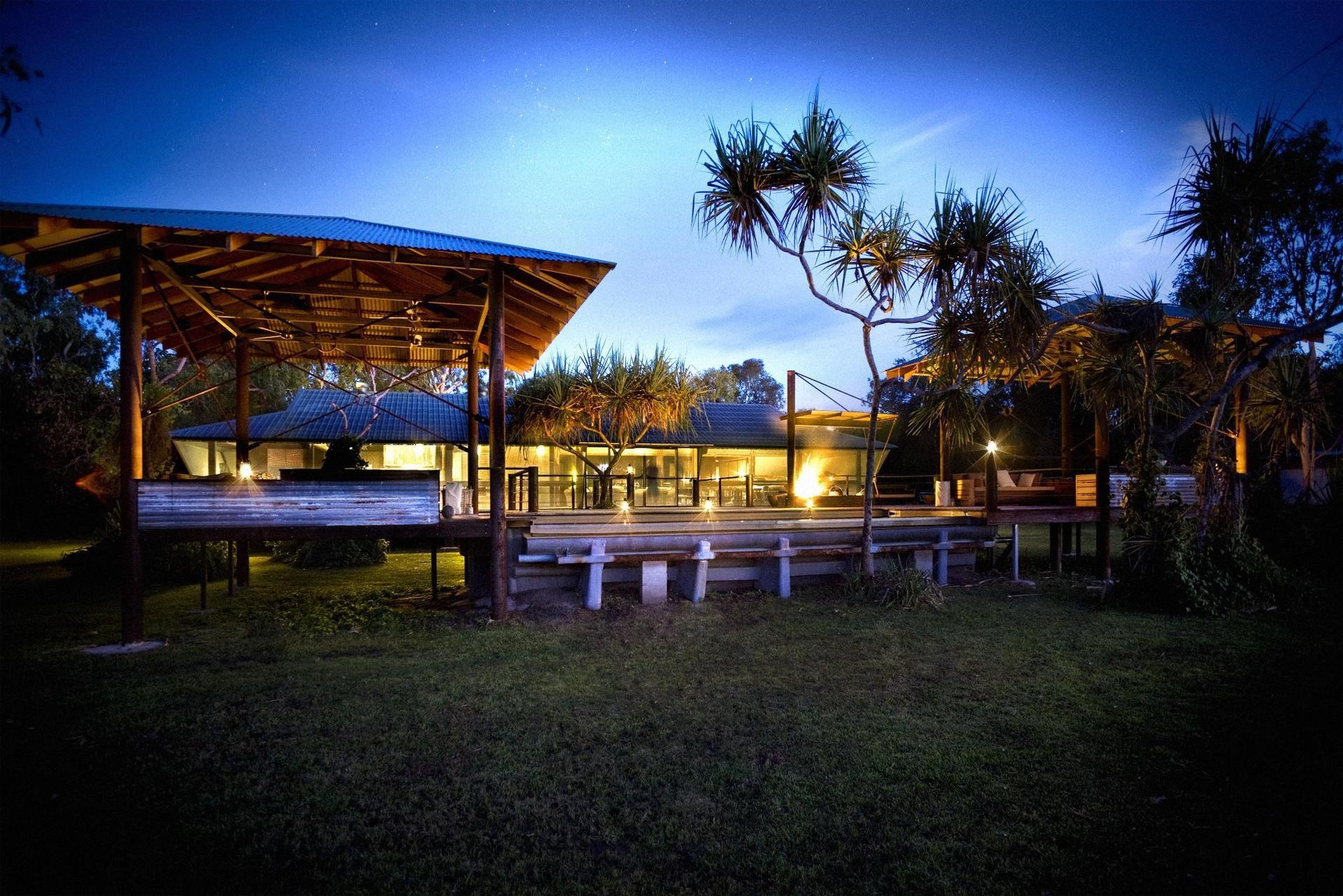
Architecture is always shaped by the place it sits in. In the Northern Territory, place matters a lot. For more than 35 years, Bennett Architecture has worked across Darwin, Alice Springs and many remote communities. We have learnt that good design in the Top End needs a different way of thinking.
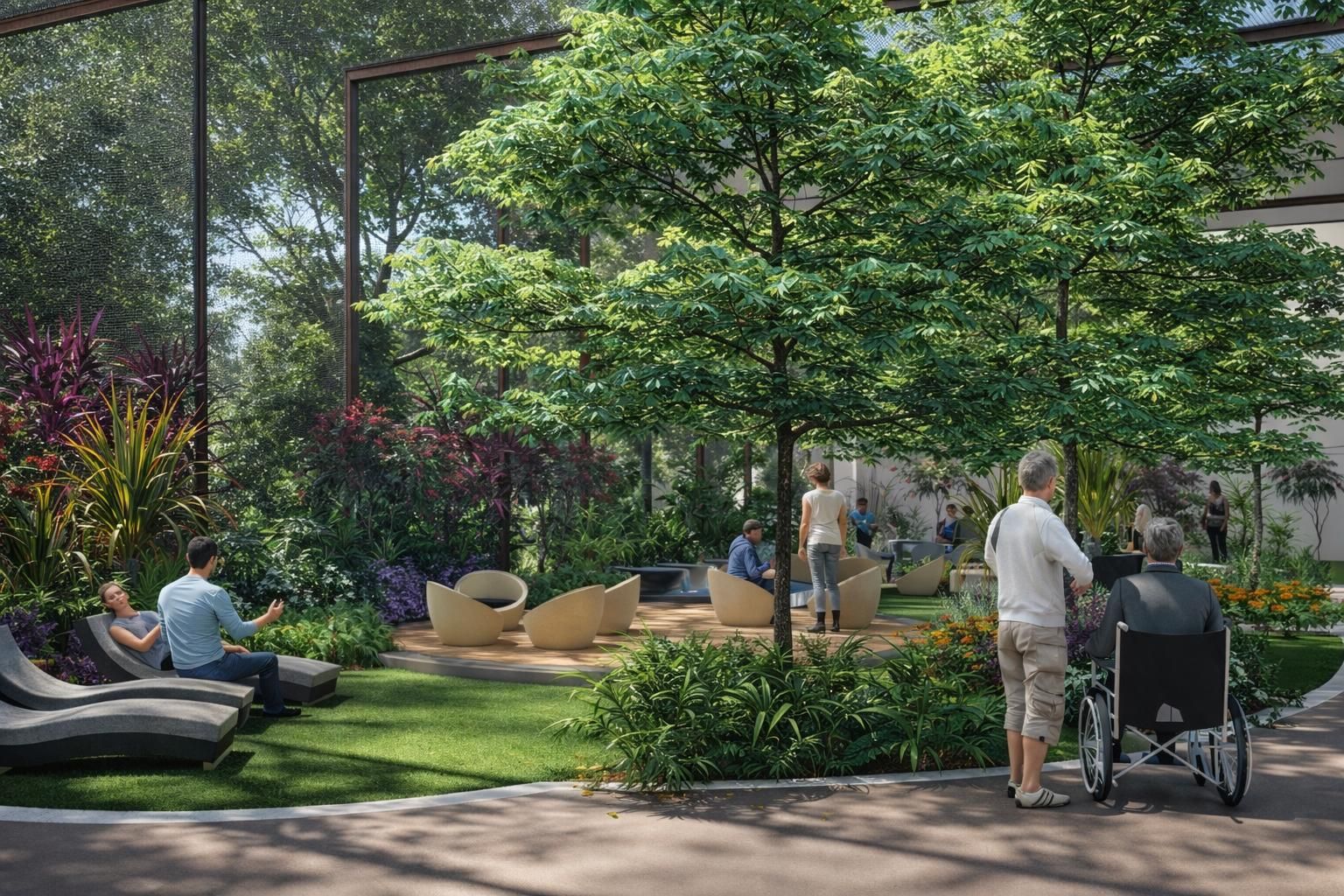
Neuro-inclusive spaces recognise that people experience the built environment in different ways. From an architectural design perspective, this means creating places that support sensory comfort, mental wellbeing, focus and choice, not as an “add-on”, but as a core part of good design.
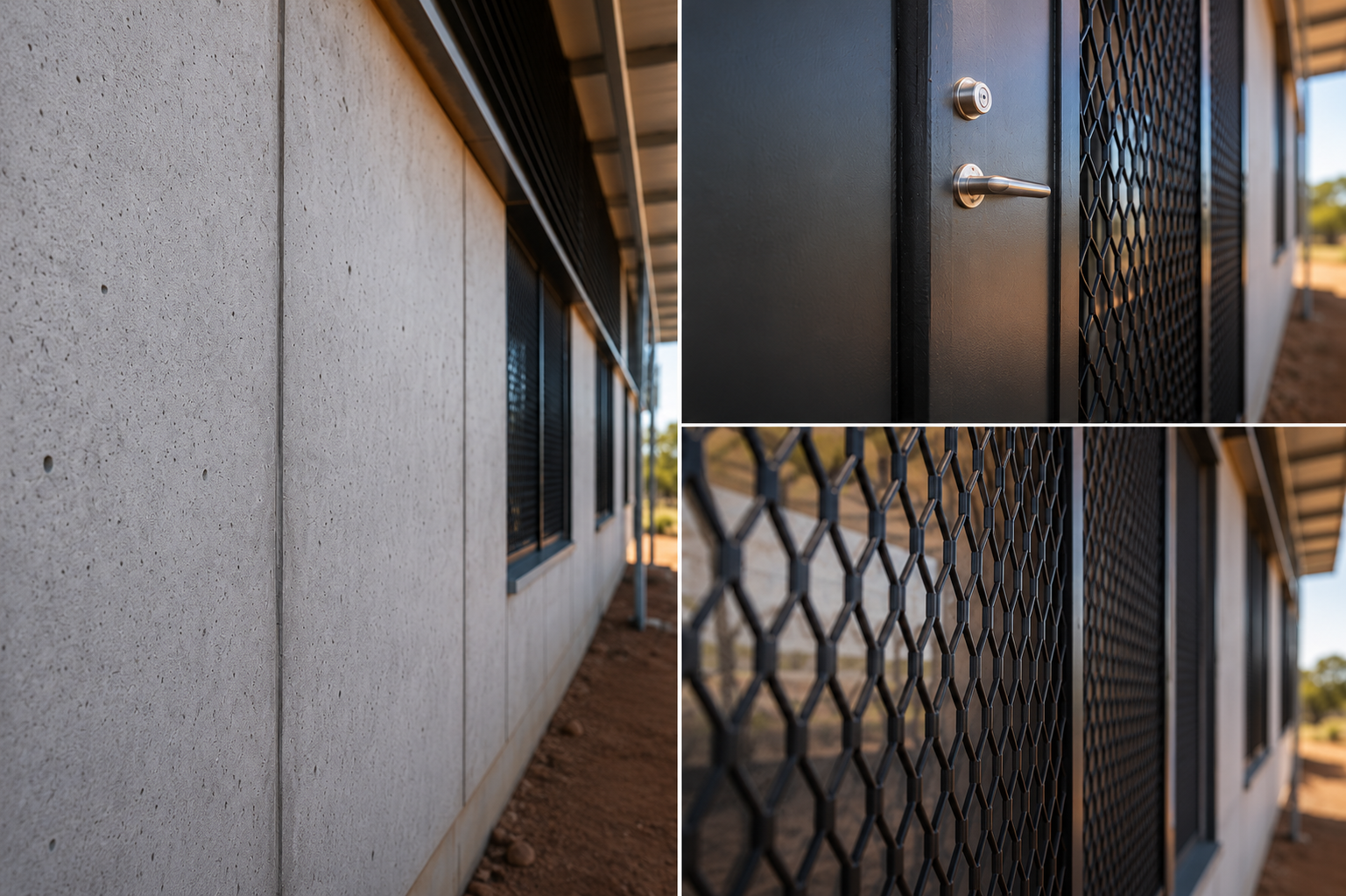
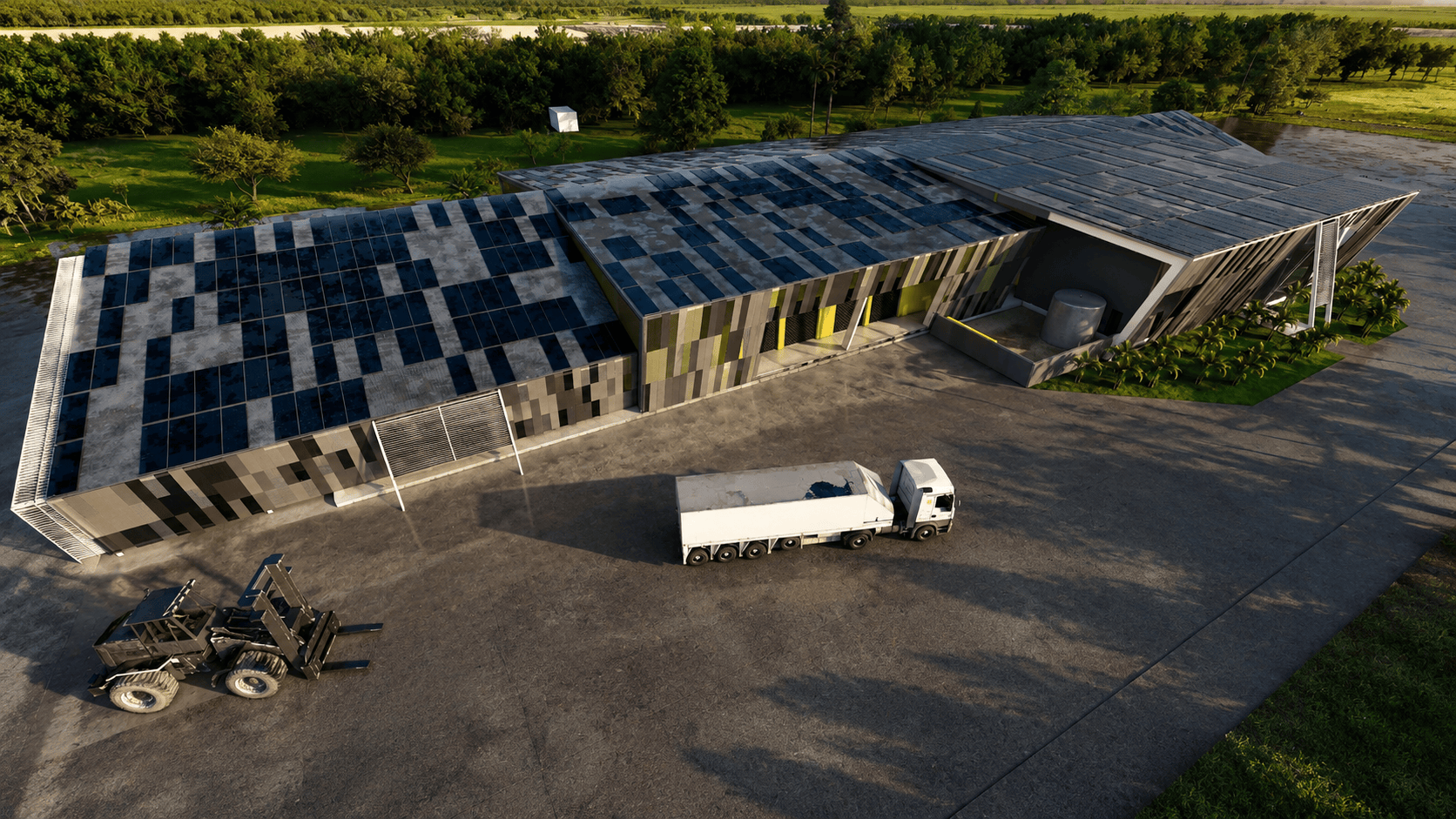
The Northern Territory presents significant logistical challenges due to its distance from Australia's major manufacturing and supply centres. Transporting materials to remote communities can take weeks and is often affected by seasonal weather, road closures, and limited freight options. These challenges make material selection a critical part of the design process.
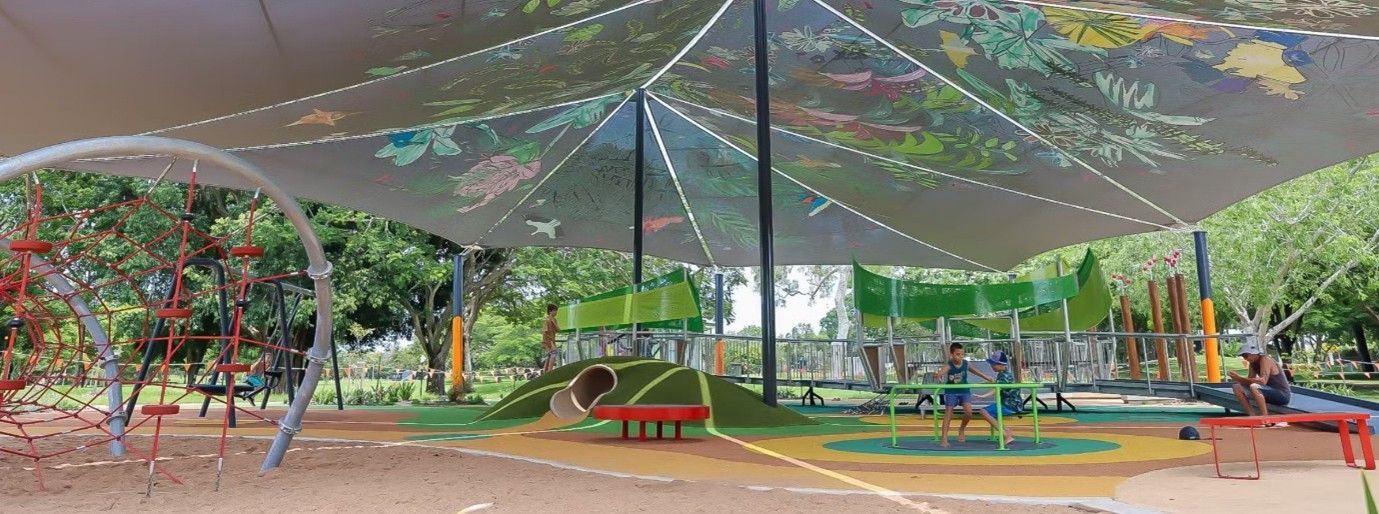
Explore how multi-generational parks enhance community connections & wellbeing. Contact Bennett Architecture for inclusive landscape design.
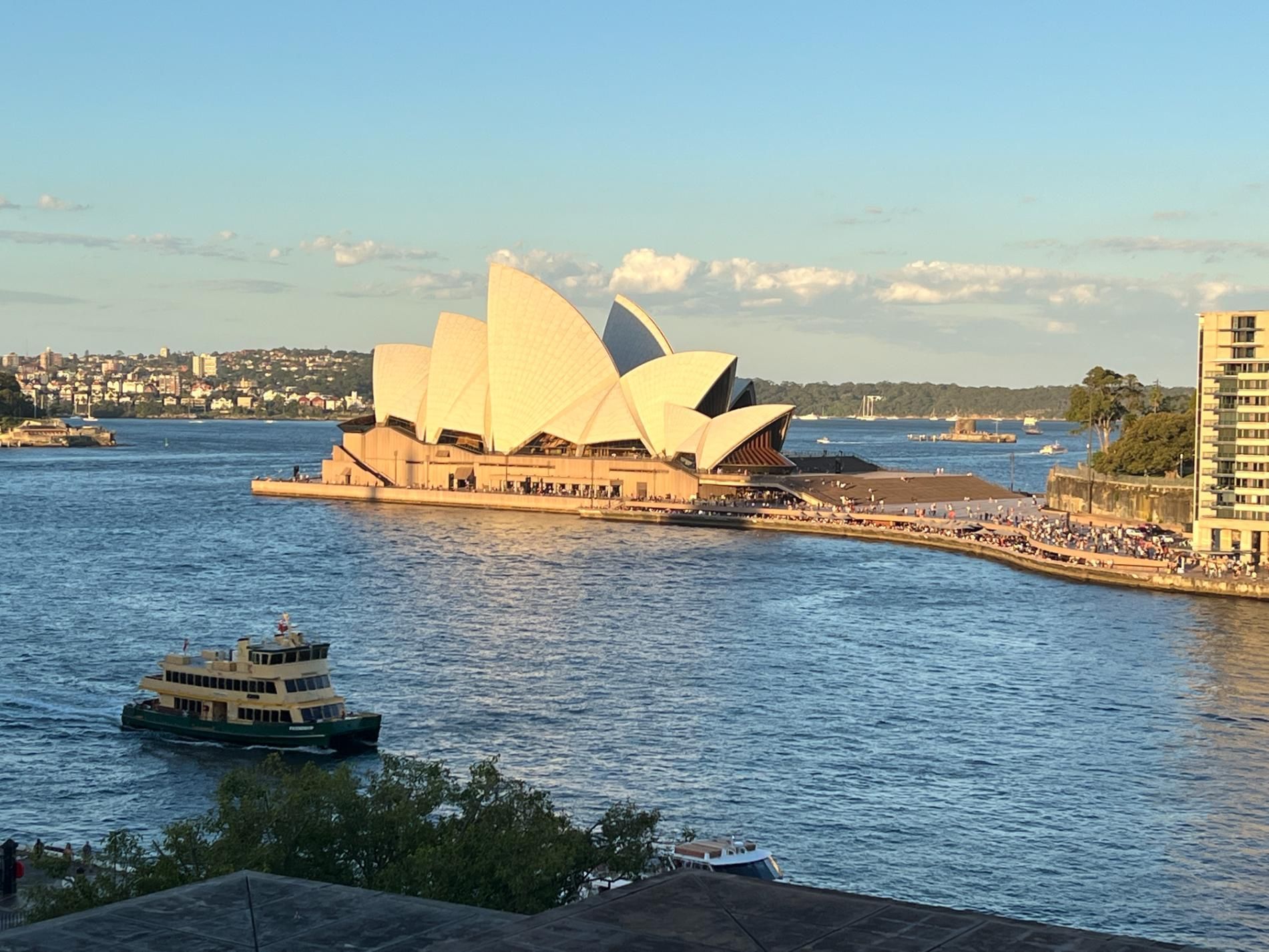
Our team members, Andrea and Lanson, recently had the pleasure of being invited to Sydney for a four-day visit - an experience that combined design insight, industry connection, and some of the city’s most iconic views.
Examine AI's role in design & its effects on cultural identity. Contact Bennett Architecture for human-centered design solutions.